Warm-Season Planting Guide for Iowa Gardens
Warm-season crops can be frustrating in Iowa: sow too early and cold soil slows them down; wait too long and the growing season can feel short. This guide explains how to use planting windows, judge whether conditions are ready, and choose between direct sowing and transplants without treating a calendar date as a guarantee.
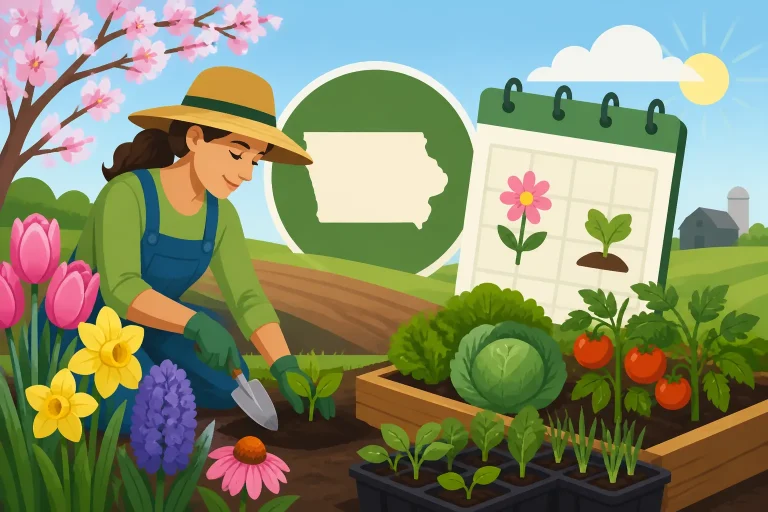
How to read a warm-season planting calendar
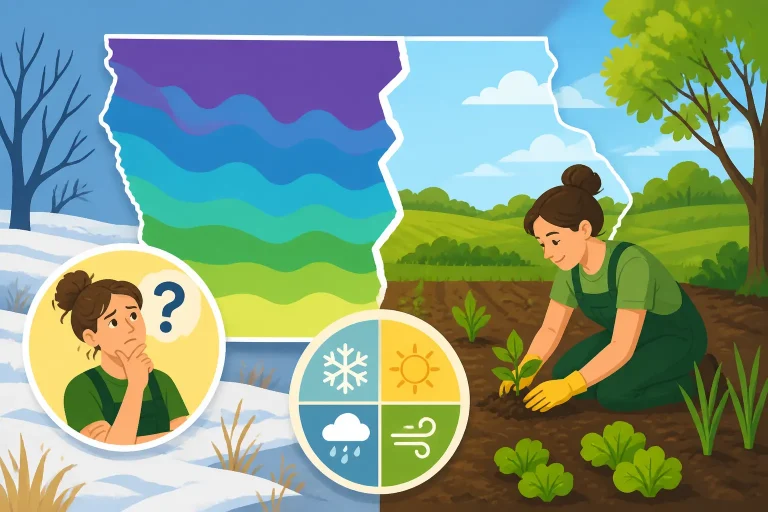
A planting calendar is a planning tool, not a promise that a crop will thrive on a particular day. Iowa weather can shift from cool and wet to warm and dry, and a sunny garden may warm sooner than a shaded or exposed one. The useful question is not just “What month is it?” but “Are the air, soil, and garden conditions suitable for this crop?”
Iowa State University Extension and Outreach defines planting-date ranges as time periods in which you could sow seed or plant transplant and have success. That makes a range more useful than a single target date: it leaves room for local conditions and the weather in a particular season.
A planting calendar can help you organize the season, but check that its location applies to your garden. According to Iowa State University Extension and Outreach, the listed dates are for Central Iowa. Gardeners elsewhere in the state should use regional guidance rather than assume the same window suits every location. Northern gardens may stay cool longer, while southern gardens may warm earlier, but a warm spell alone does not mean soil is ready.
Use the calendar as a starting point, then check:
- Whether the crop needs warm soil or can tolerate cool conditions
- Whether nights are still chilly or frost is still a concern
- Whether the soil is workable rather than saturated
- Whether you are sowing seed outdoors or setting out a transplant
- Whether your bed is exposed to wind, shaded, or warmed by nearby pavement
A vegetable calendar can help with planning across crops and seasons; see Iowa Vegetable Planting Dates: Sowing and Harvest Calendar. For a broader look at how to plan around spring and fall cold, Iowa Frost and Freeze Guide: Spring and Fall Growing Dates explains why frost risk matters beyond a calendar date.
A hardiness zone answers a different question. Iowa State University Extension and Outreach states that nearly all of Iowa is now in Zone 5. That information helps gardeners think about plants’ winter survival, but it does not tell you when garden soil warms or when it is safe to set out tender vegetables. For the distinction, see Why Hardiness Zones Do Not Tell You When to Plant in Iowa.
Check whether your garden is ready
Warm-season crops are sensitive to cold in different ways. Some seeds can rot or sit idle in cold, damp soil; others germinate slowly and produce weak seedlings. Tender transplants can stall after planting when chilly nights or cold ground stress their roots. The right time depends on the crop, the bed, and the current weather—not simply on whether a spring date has arrived.
Soil warmth and workable ground
Soil temperature is a useful clue, particularly for crops that need warmth to germinate. A sunny raised bed may warm ahead of heavier ground, while a low spot or shaded bed can stay cool and wet. If conditions have been cloudy or rainy, a brief sunny stretch may not have warmed the soil very deeply.
Avoid treating a single warm afternoon as proof that the bed is ready. Soil may remain cold below the surface, and a wet bed can be difficult to work without compacting it. If soil sticks heavily to tools or forms a dense smear when handled, wait for it to drain and loosen. Working wet soil can leave clods that make seed placement and root growth more difficult.
For crops that can be sown before summer warmth arrives, soil readings can help you decide whether conditions are suitable. Soil Temperatures for Sowing Early Iowa Vegetables offers more detail on using soil temperature when planning early sowing.
Air temperature, frost, and nighttime lows
A warm afternoon can be followed by a cold night. Tender plants respond to the conditions they experience over time, so check the forecast for more than daytime highs before moving seedlings outdoors. A late cold snap can injure warm-season crops even after they have started growing well.
Frost dates are probabilities, not fixed guarantees. A calendar estimate can help you understand typical risk, but it cannot rule out a later freeze in your particular garden. Cold air can settle in low areas, and exposed sites may be more vulnerable than sheltered ones. Use local forecast information and be ready to protect plants if cold threatens after planting.
A frost-free stretch does not automatically mean every crop is ready for outdoor planting. Warm soil still matters, especially for heat-loving plants. Conversely, a crop that tolerates cooler conditions may be planted while the garden is not yet warm enough for tomatoes, peppers, cucumbers, or squash.
Your garden’s microclimate
The conditions around a bed can make it behave differently from a nearby garden. A south-facing wall may hold warmth; a shaded bed may remain cool; a windy site can dry out quickly and stress new transplants. Heavy soil may warm more slowly than a loose, well-drained bed. Raised beds often drain and warm differently from in-ground beds, but their exposure can also make them dry out faster.
Keep notes on when your soil becomes workable, how quickly the bed dries after rain, and whether cold air collects in the area. Those observations are more useful than copying a neighbor’s planting day, especially if the gardens have different exposure or soil.
When comparing planting windows, make sure the guidance fits your region and gardening method. Direct sowing means seed goes into the garden bed; transplanting means a young plant is moved outdoors. The two approaches can have different windows for the same crop. Iowa Vegetable Planting Windows: Direct Sowing vs Transplants covers that distinction.
Choose crops that match the conditions
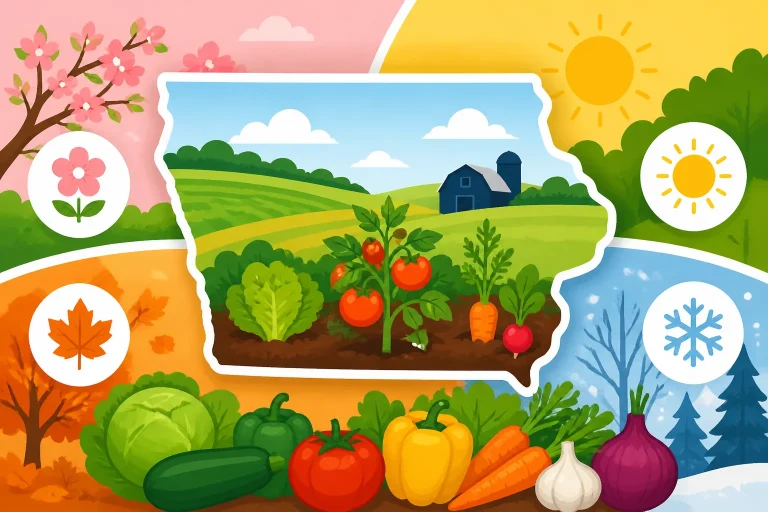
Warm-season vegetables do not all need the same start. Some can be direct-sown once soil has warmed; some are commonly started indoors and transplanted; others can be grown either way, depending on the gardener’s priorities. Match the crop to your available space, the warmth of the bed, and how much time you want to spend caring for seedlings.
| Crop group | Common approach | What to check before planting | Practical consideration |
|---|---|---|---|
| Tomatoes and peppers | Often transplanted | Stable warm weather, warm soil, and seedlings adjusted to outdoor conditions | Transplants can give slow-growing crops a head start, but cold stress can set them back |
| Cucumbers and squash | Often direct-sown or transplanted | Warm soil and protection from cold nights | Direct sowing avoids transplant disturbance; transplants may help when the season feels short |
| Melons | Direct-sown or transplanted | A warm, sunny, well-drained site | They need enough space and warmth to develop well |
| Beans and sweet corn | Commonly direct-sown | Soil that is warm and workable | Sowing outdoors avoids the extra step of growing and moving seedlings |
| Eggplants | Often transplanted | Warm conditions and a sheltered sunny spot | A cold start can slow growth, so rushing them outside may not save time |
These are general approaches, not fixed rules for every variety or garden. Seed packets and transplant labels can offer crop-specific information, and regional planting guidance can help you decide when to act.
Tomatoes and peppers
Tomatoes and peppers are warm-season crops that gardeners often grow from transplants. A transplant can be easier to manage than a tiny seedling outdoors, but it still needs time to adjust to outside conditions. A plant raised indoors has not faced full sun, wind, or fluctuating temperatures. Moving it directly from a protected spot to a garden bed can cause stress even when the calendar seems favorable.
Before setting them out, harden seedlings off gradually. Start by placing them in a sheltered outdoor location for a limited part of the day, then increase their exposure as they adjust. Avoid leaving tender plants out in cold conditions or harsh wind during this transition. If they wilt or show signs of stress, give them a more protected setting while they recover.
A warm, sunny site with good drainage is a better choice than a low, cold pocket. Allow for the plant’s mature size and airflow rather than crowding seedlings together. If you want crop-specific transplant timing, see When to Transplant Tomatoes Outdoors Across Iowa. Pepper and eggplant warmth needs are discussed in Spring Warmth and Soil Timing for Iowa Peppers and Eggplants.
Cucumbers, squash, and melons
Cucumbers, squash, and melons are sensitive to cold soil and chilly weather. Gardeners can sow them outdoors once conditions are warm enough or use transplants to get plants established. Direct-sown seedlings avoid the disruption of being moved, while transplants can be useful if the local season feels short. The trade-off is that cucurbit roots can be disturbed during transplanting, so handle seedlings gently and avoid letting them become root-bound.
Choose a sunny site and give plants room to spread or climb, depending on the crop and your setup. Before sowing, remove weeds and prepare a loose seedbed so young plants do not have to compete immediately. Keep the soil evenly moist during germination and early growth, without leaving it saturated.
If you start these crops indoors, do not assume that an older, larger seedling is automatically better. A crowded or stressed transplant may struggle after planting. A younger, healthy plant that has been gradually adjusted to outdoor conditions may settle in more readily.
For crop-specific decisions about sowing or transplanting these vegetables, see When to Direct-Sow Cucumbers, Melons, and Squash in Iowa.
Beans and sweet corn
Beans and sweet corn are commonly sown directly in the garden. That avoids transplant handling and lets seedlings grow where they will mature. The main challenge is timing: seed needs suitable soil conditions to germinate, and young plants can be vulnerable to cold or poor drainage.
Wait until the seedbed is workable and the soil has warmed enough for the crop. Planting into cold, wet ground can delay emergence and make seeds more prone to failure. If birds or other wildlife disturb seed, check the bed and consider a suitable temporary cover, removing it when seedlings need room to grow.
For corn, consider how much garden space you can commit and whether you want a single harvest period or a staggered one. Beans can also be planted in succession rather than all at once, which can spread harvest across a longer period. Staggered sowing makes sense only when the weather and remaining growing season are still suitable for the crop. See Outdoor Sowing Dates for Sweet Corn and Green Beans in Iowa for more crop-specific planning.
Eggplant and other heat lovers
Eggplant benefits from a warm, sunny location and is often grown from transplants. It can be slow to establish when conditions stay cool, so placing it in the warmest suitable part of the garden may be more helpful than setting it out early. Avoid planting it where cold air pools or where wind repeatedly batters young plants.
A sheltered site should still receive the light the crop needs. Do not trade warmth for deep shade. If your garden stays cool, consider whether a container or a warmer bed location would be a better fit, while keeping in mind that containers can dry faster than in-ground soil.
Decide between direct sowing and transplants
The choice between seed and transplants is not simply about convenience. It affects how much control you have over early growth, how much space you need, and how well a crop handles disturbance. Your decision should reflect the crop’s needs and the conditions in your garden.
Direct sowing
Direct sowing is straightforward: prepare the bed, sow seed at the depth and spacing stated on the seed packet, and keep the seedbed appropriately moist while it germinates. It works well for crops that establish readily in the garden and for plants that do not respond well to root disturbance.
The main advantage is that seedlings grow in place. They do not need to be hardened off or transplanted, and their roots are not disturbed during a move. The main disadvantage is that sowing too early can leave seed waiting in cold, wet soil. A late start, on the other hand, can leave less time for a crop to mature.
Before sowing, clear weeds, break up large clods, and make sure the bed has drained. Follow the seed packet for depth and spacing; seed buried too deeply may struggle to emerge, while seed left too close to the surface may dry out or be displaced. Label rows or planting areas so you can distinguish seedlings from weeds.
Keep the surface from drying during germination, especially during windy or sunny weather. Moisture needs depend on the soil and conditions: sandy soil dries faster than heavier soil, and exposed beds may lose moisture quickly. Check the soil rather than watering by habit. Once seedlings emerge, adjust watering to the crop’s growth and the bed’s moisture.
Starting transplants
Transplants allow gardeners to begin some crops in a protected space before outdoor conditions are suitable. This can be useful for crops that take time to grow, but starting indoors is not automatically a shortcut. Seedlings need appropriate light, water, temperature, and room to grow. If they become weak or crowded, they may not benefit from an early start.
Before moving plants outdoors, harden them off gradually. Begin with a protected setting and limited exposure, then increase the time outdoors and the intensity of conditions as plants adjust. Keep an eye on wind, direct sun, and cold nights. The process helps seedlings adapt to the garden rather than facing every outdoor stress at once.
At planting, handle seedlings gently and avoid pulling them by the stem. Set them into prepared soil, firm the soil around the roots, and water them in. If the forecast turns cold or windy, protect newly planted seedlings or delay planting until the conditions are more favorable. Covering can reduce exposure, but it does not make a tender crop immune to a serious freeze.
How to choose
Consider the crop’s sensitivity to root disturbance, the time it needs to mature, the warmth of your bed, and your willingness to manage seedlings indoors. Direct sowing is a good fit when the crop grows well from seed outdoors and soil is ready. Transplants are useful when a crop benefits from an indoor start or when you want more control over early growth.
A practical approach is to use both methods where appropriate. You might transplant crops that are commonly grown that way and direct-sow crops that establish well in place. Avoid planting more than your garden can support; a crowded bed is harder to water, weed, and harvest.
If you are starting your own seedlings, use clean containers and a suitable seed-starting mix. Give seedlings enough light to grow sturdy rather than tall and weak. Water carefully: seedlings need moisture, but waterlogged growing mix can cause problems. If growing indoors is inconvenient, buying healthy transplants can be a reasonable alternative.
Prepare the bed before planting
A ready planting window is only useful if the bed is ready too. Healthy establishment depends on workable soil, suitable drainage, a plan for weeds, and enough room for plants as they mature. Preparing ahead reduces the temptation to push seeds or transplants into poor conditions simply because the calendar suggests planting time.
Clear and loosen the planting area
Remove weeds and spent plant material that could interfere with new seedlings. Loosen the soil without working it while saturated. If the bed is compacted, improve its structure before planting rather than trying to force roots through hard soil. Avoid walking repeatedly across the planting area, especially when it is wet.
Break up large clods and remove debris that will obstruct seed placement. A smooth, fine surface is useful for small seeds, while larger seeds can be planted in a less finely prepared bed. Aim for soil that is loose enough for roots and water to move, not powdery or compacted.
Check drainage and soil moisture
Warm-season vegetables need water, but roots also need air. A bed that stays waterlogged can slow growth and stress plants. Observe the area after rain: does water drain, or does it collect for an extended period? A low spot may be unsuitable for crops that dislike wet roots unless drainage is addressed.
Water the bed based on its moisture, not a rigid schedule. Newly sown seed needs enough moisture to germinate, while established plants generally need water to reach their active roots. Surface moisture can be misleading: the top may look dry while the soil below remains damp, or the surface may be moist while the root zone has dried.
Plan spacing, support, and access
Check mature plant size before arranging the bed. Crowded plants compete for light, water, and nutrients, and dense foliage can limit airflow. Leave practical access for weeding and harvesting. Place climbing crops where a trellis can be installed without shading neighboring vegetables.
Install supports before plants become large when possible. Adding a trellis or stake early can reduce root disturbance later. Make sure supports are stable enough for the crop and the site’s wind exposure. If you use a low cover to protect plants, plan how to secure it and how you will ventilate it when conditions warm.
Prepare for weeds and watering
Remove weeds while they are small, before they compete strongly with seedlings. A layer of mulch can reduce weed growth and slow moisture loss once soil has warmed and plants are established, but keep mulch from smothering small seedlings. Where seeds are emerging, watch for weeds that look similar and identify seedlings before pulling.
Set up a watering method that reaches the soil rather than routinely wetting foliage. Drip irrigation or careful watering at the base can help keep moisture where roots need it. The best approach depends on bed size, soil, weather, and available equipment. Check moisture directly rather than assuming that a fixed routine will work through changing conditions.
Care for crops as the season changes
Planting is the start, not the finish. Warm-season crops need consistent attention while they establish, flower, and produce. Weather can change quickly, so adjust care to the soil and plants rather than following a fixed schedule without checking conditions.
Water according to the root zone
Newly planted seedlings and germinating seed need careful attention because their roots are shallow. Do not let the seedbed dry out during germination, but avoid keeping it saturated. After establishment, water deeply enough to moisten the root zone, then check again based on the weather and soil.
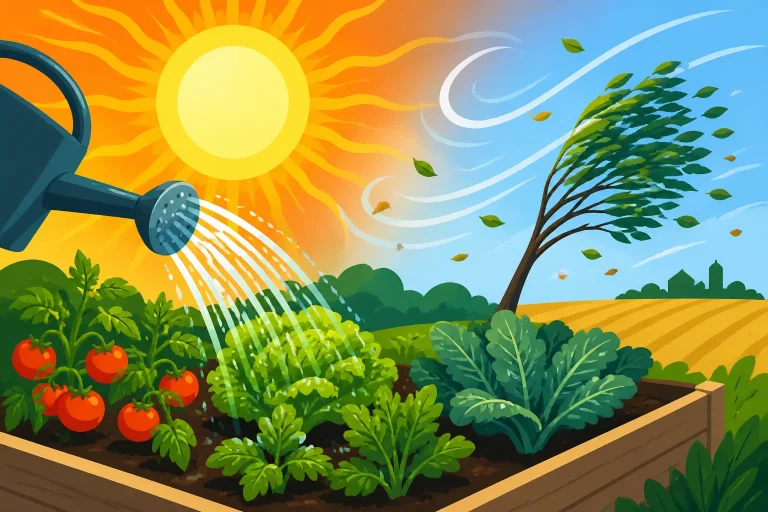
Wind, heat, and sandy soil can increase how quickly a bed dries. Heavy soil may hold moisture longer, though the surface can still dry out. Push a finger or a hand trowel into the soil to check below the surface. If the root zone is moist, watering may not be necessary just because the top looks dry.
Container vegetables require closer observation than many in-ground beds because limited soil volume can dry quickly. A container in full sun or exposed to wind may need more frequent checking. Make sure containers drain and avoid letting them stand in water.
For additional ideas on managing dry, hot conditions, see Watering Garden Beds During Summer Heat Waves and High Winds and Keeping Container Vegetables Hydrated During Dry Iowa Spells.
Protect new plants from cold and wind
Young plants are more vulnerable than established plants. If a cold snap is expected, use a suitable cover or postpone planting tender transplants. Covers need to be secured so they do not blow loose or crush plants. On sunny days, temporary coverings may need ventilation or removal to prevent excessive heat buildup.
Wind can dry seedlings, damage leaves, and loosen newly planted root balls. A sheltered site can help, but avoid placing plants where they will be shaded too heavily. Check supports and covers after strong winds, and re-firm soil around plants if it has been disturbed.
A cover is a buffer, not a guarantee. If conditions are forecast to be severe, moving container plants to shelter or delaying planting may be safer than relying on a lightweight cover alone.
Watch for heat stress
Warm-season crops appreciate suitable warmth, but extreme heat can still stress plants. Leaves may wilt during the hottest part of the day, and dry soil can make the stress worse. Check the soil before watering: some plants temporarily droop in heat even when moisture is adequate, while others are wilting because the root zone has dried.
Use mulch to reduce soil moisture loss after the soil has warmed, and consider temporary shade for sensitive plants during a heat wave. Shade should reduce the harshest exposure without depriving plants of the light they need. Avoid making abrupt changes that leave plants in deep shade for an extended period.
Heat stress is not always a watering problem. Roots can be damaged by waterlogged soil, and excessive watering in response to midday drooping can worsen that situation. Inspect the soil and the plant’s overall condition before deciding what to do.
Keep up with weeds and plant growth
Weeds compete for water, light, and nutrients. Pull or cultivate them while small, taking care not to damage crop roots. Mulch can make weed management easier, but it will not eliminate the need to inspect beds.
As crops grow, tie or guide climbing plants onto supports and remove damaged plant material when appropriate. Check that supports remain stable and that plants are not crowding neighboring crops. If foliage becomes dense, improve airflow by maintaining suitable spacing and avoiding unnecessary overhead watering.
Succession sowing can spread harvests rather than producing everything at once. It works best when the crop and remaining season allow later sowings to mature. Use crop-specific windows rather than assuming that a repeated planting interval will always fit local conditions. Succession Planting in Iowa: Two-Week Sowing Intervals discusses planning staggered sowings.
Troubleshoot common warm-season planting setbacks
Even a well-planned garden can have uneven emergence, stressed transplants, or slow growth. Diagnose the likely cause before replanting or changing care. The same symptom can result from different conditions, and adding more water or fertilizer without checking may make the problem worse.
Seed has not emerged
Cold, wet soil can delay germination or damage seed. Seed planted too deeply may struggle to reach the surface, and a dry seedbed can interrupt germination. Check the seed packet for depth guidance, then inspect a small area carefully to see whether seeds are still firm, rotting, or beginning to sprout.
If the soil is cold and saturated, wait for it to drain and warm before sowing again. If the bed has dried, restore appropriate moisture gently without washing seed out of place. Re-sowing is reasonable when the original seed has failed, but avoid repeated sowing into the same unsuitable conditions.
Transplants wilt after planting
Some temporary drooping can occur as a seedling adjusts, particularly after exposure to sun or wind. Check the soil around the roots before watering. If it is dry, water the plant at its base; if it is already wet, more water may not help.
A transplant that was not hardened off can suffer from sun, wind, or temperature changes. Provide temporary protection and reduce stress while it adjusts. Avoid tugging the plant to test whether it has rooted. New roots take time to establish, and repeated disturbance can set the plant back.
Growth is slow despite warm days
The soil may still be cool, or the bed may be too wet. Plants can also struggle when roots are cramped, damaged, or competing with weeds. Inspect soil moisture and drainage, check whether the site gets adequate sun, and look for signs of insect or disease problems before making changes.
Do not apply fertilizer simply because a plant is slow. Excess nutrients can create leafy growth without resolving a cold, wet, shaded, or root-related problem. If you are considering fertilizer, base the decision on the crop’s needs and reliable soil information, and follow the product label.
Plants are damaged by unexpected cold
Move containers to shelter when practical and protect in-ground plants using an appropriate cover. Remove or ventilate temporary covers when conditions become sunny and warm. After the cold passes, wait to see what tissue remains healthy before pruning or replacing a plant; damage may be more apparent after conditions stabilize.
For future planning, note how the cold event affected different parts of the garden. A sheltered bed may have fared better than an exposed one, which can help you choose planting locations and timing in the next season.
Frequently Asked Questions
Can I plant warm-season vegetables as soon as the last frost date passes?
Not necessarily. Frost risk is only part of the decision. Soil warmth, nighttime temperatures, drainage, and the crop’s sensitivity to cold also matter. Use a local planting window as a guide and check current conditions before setting out tender crops.
Does Zone 5 tell me when to plant vegetables?
No. A hardiness zone describes winter survival conditions for plants, not the spring soil temperature or frost risk on a particular date. Use planting guidance and local weather information for timing vegetables.
Should I direct-sow or buy transplants?
Choose based on the crop and your priorities. Direct sowing avoids transplant handling and suits crops that establish well in place. Transplants can help with crops commonly started indoors, but they need gradual adjustment to outdoor conditions.
What should I do if the calendar says to plant but the soil is wet and cold?
Wait until the bed drains and conditions improve. Planting into saturated, cold soil can delay growth and make establishment harder. A calendar range does not require planting on its earliest day.
Can I plant everything at once to save time?
You can, but a single planting may lead to a concentrated harvest, and crops do not all share the same preferred conditions. Stagger sowing for suitable crops when the remaining season allows, and plant each crop according to its own readiness and space needs.
Sources
- Iowa State University Extension and Outreach — Vegetable Planting and Harvesting Times | Yard and Garden (checked November 15, 2026)
Disclaimer
This article is for general informational purposes only and does not constitute professional advice. Laws, prices and regulations vary by location and change over time. Consult a qualified professional for guidance on your specific situation. Iowa Gardening Guide is not a government agency and is not affiliated with any university extension, state department of agriculture or other government agency.