Iowa Spring Planting Guide: Timing Flowers and Vegetables
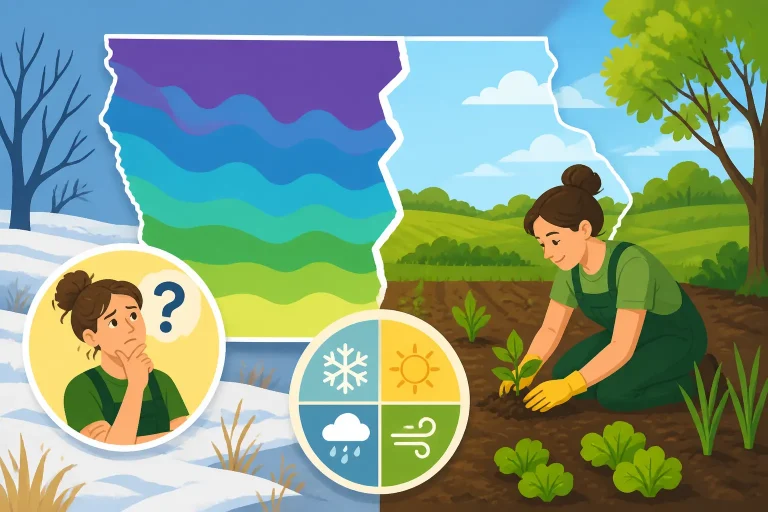
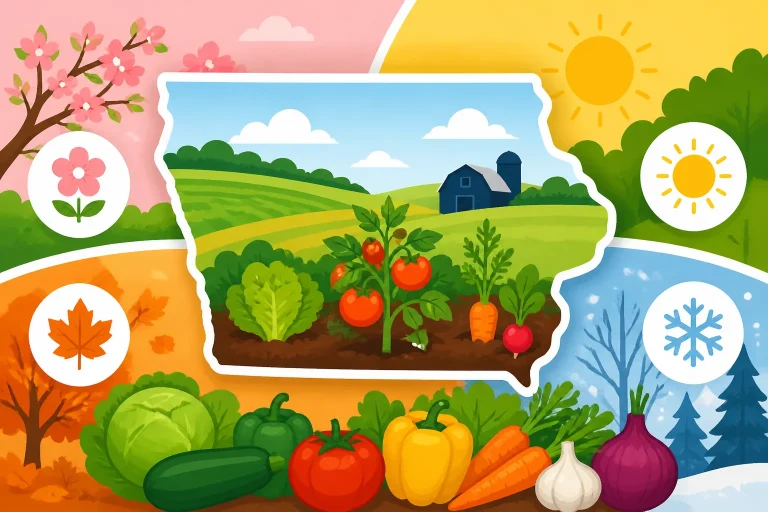
Iowa’s spring planting season can feel like a moving target: a warm spell tempts you to sow, then cold weather threatens tender seedlings. The safest approach is to match each crop to soil conditions, frost risk, and its tolerance for cool weather. This guide explains how to build a practical spring schedule for flowers and vegetables without treating a calendar date as a guarantee.
Start with the right kind of planting date
A planting calendar is most useful as a planning tool, not as a promise that every bed is ready on a particular day. Spring conditions vary across Iowa and from year to year. The ground may be wet and cold when the air feels mild, or a sunny stretch may be followed by a damaging cold snap. A schedule that worked in one garden may not fit another, even within the same community.
Iowa State University Extension and Outreach notes that the listed dates are for Central Iowa. If you use a date-based calendar, check the region it represents before applying it to a garden farther north or south. Regional guides such as Northern Iowa Planting Calendar: Adjusting for Later Frost and Southern Iowa Vegetable Calendar: Earlier Spring Planting Dates can help you think through those differences.
Even within a region, a garden’s conditions matter. A sheltered bed near a building may warm earlier than an exposed plot. Low areas can collect cold air, while a slope or a well-drained raised bed may dry and warm sooner than heavy, wet ground. Shade, wind exposure, and the previous crop can also affect how quickly a bed becomes workable. These differences are reasons to adjust a calendar, not reasons to discard one.
A useful spring plan has three layers:
- A broad window: the general part of the season when a crop can be planted.
- A readiness check: the conditions the crop needs, such as workable soil or sustained warmth.
- A backup plan: protection or a delay if weather turns unfavorable.
That approach is more reliable than choosing a single day and planting everything at once. It also helps you avoid two common setbacks: sowing cool-season crops into soil that is too wet to work, and putting tender plants outdoors just because a warm afternoon feels like summer.
Hardiness zones are another piece of planning, but they answer a different question from planting calendars. According to Iowa State University Extension and Outreach, nearly all of Iowa is now in Zone 5 on the USDA 2023 map. A hardiness zone can help with perennial winter survival, but it does not tell you when the soil is ready for seed or when a spring frost is no longer a concern. For that distinction, see Why Hardiness Zones Do Not Tell You When to Plant in Iowa.
Sort crops by what they can tolerate
The easiest way to organize spring planting is to group plants by their response to cool conditions. A single garden may contain crops that can go in while the weather is still changeable, along with plants that need warmer soil and settled conditions. Treating those groups alike can lead to poor emergence, stalled growth, or cold damage.
| Planting group | Typical examples | What to watch | Practical approach |
|---|---|---|---|
| Cool-season vegetables | Peas, spinach, radishes, lettuce, carrots, and other hardy greens or roots | Soil that is workable rather than saturated; cold nights can still slow growth | Prepare beds when soil is no longer sticky, then sow in a suitable window |
| Cole crops and other sturdy transplants | Cabbage-family crops and similar cool-season transplants | Root disturbance, drying wind, and sudden cold | Set out hardened plants when the bed and forecast are suitable |
| Warm-season vegetables | Tomatoes, peppers, cucumbers, squash, beans, and melons | Cold soil, chilly nights, and abrupt temperature swings | Wait for sustained warmth or use protection suited to the crop |
| Cool-season flowers | Pansies and other plants sold for early-season conditions | A plant’s actual cold tolerance and the nursery’s growing conditions | Acclimate plants and follow the grower’s care guidance |
| Warm-season flowers | Tender annuals such as many bedding flowers | Cold nights and lingering frost risk | Keep plants sheltered until outdoor conditions are appropriate |
| Perennials and spring bulbs | Established or newly planted hardy landscape plants and bulbs | Drainage, soil workability, and the plant’s seasonal needs | Follow plant-specific guidance rather than applying vegetable timing |
These categories are a starting point, not a substitute for instructions on a seed packet or plant tag. A crop described as cold tolerant may still grow slowly in cold soil. A transplant that can withstand cool air may still struggle if its roots are disturbed and left exposed to wind. And “warm-season” does not mean a plant needs only one sunny afternoon; it means the plant is better suited to conditions that have become reliably warmer.
For vegetables, Iowa Vegetable Planting Windows: Direct Sowing vs Transplants is useful when deciding whether to sow seed in the bed or set out a nursery-grown plant. For flowers, Iowa Spring Planting Guide: Timing Flowers and Vegetables is part of a broader timing picture, while Direct Sowing vs Seedlings for Easy Iowa Flowers can help with the choice between seed and started plants.
Check the soil before you work or sow
Air temperature can make a garden feel ready before the soil is ready. Before digging, cultivating, or sowing, check whether the ground is workable. Pick up a small amount of soil and assess its condition. If it is saturated, sticky, or smears easily, walking on it or turning it over can compact it and damage its structure. Let it dry before preparing the bed.
This matters especially in heavy soil. Working wet ground can create clods that are difficult to break apart later and leave a compacted layer where roots need to grow. A raised bed may drain and dry differently from a garden in native soil, but it still needs to be checked rather than assumed ready. Avoid using a calendar date as permission to dig into soil that is visibly too wet.
Soil temperature also affects how quickly seeds germinate. Cool-season crops are generally more forgiving of cool ground, while warm-season crops usually need warmer soil to establish well. The seed packet may provide crop-specific sowing guidance. A soil thermometer can help you compare the bed with those instructions, especially when you are unsure whether a sunny spell has warmed the ground enough.
If you are deciding whether to sow peas, spinach, or radishes, the crop’s ability to grow in cool conditions matters more than a brief warm forecast. Sowing Early Peas, Spinach, and Radishes in Iowa offers crop-focused timing considerations. For crops that are often started indoors or set out as transplants, consult Starting and Setting Out Cole Crops Across Iowa rather than assuming all vegetables should be handled the same way.
Avoid preparing a bed far in advance if rain is likely to leave it saturated. Instead, plan the work around the soil’s condition: clear debris when you can do so without trampling wet ground, then make the final seedbed when the surface is workable. A firm, reasonably fine seedbed helps seeds make contact with soil, while loose, fluffy soil can settle unevenly after rain.
For established beds, use a light touch. If the surface has crusted or weeds are emerging, shallow cultivation may be enough. Deeply turning the soil every spring is not necessary for every garden and can bring buried weed seeds to the surface. Add compost or other amendments only when they fit the bed’s needs; more material is not automatically better. For a closer look at soil preparation, see Improving Garden Soil: Organic Matter, Mulching, and Raised Beds.
A simple soil-readiness check can prevent avoidable setbacks:
- Check the bed itself, not just the air temperature.
- Delay digging if soil sticks to tools or smears when handled.
- Look for drainage problems, especially in low spots.
- Follow the crop’s seed packet or plant tag for specific sowing guidance.
- Prepare only the area you are ready to plant, rather than disturbing the whole garden while it is wet.
Build a vegetable schedule in stages
Vegetable gardens are easier to manage when planting is spread across suitable windows instead of compressed into one busy weekend. A staged schedule gives cool-season crops a chance to establish, leaves room for warm-season crops later, and makes it easier to respond to an unpredictable spring.
Begin with cool-season vegetables
Peas, spinach, radishes, lettuce, and many root crops are common choices for early planting because they are adapted to cooler growing conditions. Their seed can often go directly into the garden once the soil is workable and the crop’s requirements are met. That does not mean they perform well in waterlogged ground or that cold weather has no effect. Germination and growth may be slow when soil remains cold.
Planting a small section first can be a useful way to learn how a bed is responding. If the first sowing emerges unevenly, you can check whether the issue is soil moisture, crusting, depth, or temperature before planting the rest of the bed. Keep seed depth consistent with the packet directions, and avoid letting the seedbed dry out while seeds are germinating.
Some gardeners sow the same crop again later for a more extended harvest. Staggered planting can reduce the pressure to harvest everything at once, but it should be matched to the crop and the remaining season. See Succession Planting in Iowa: Two-Week Sowing Intervals for a closer discussion of planning repeated sowings. The title refers to a particular interval; follow the guidance in that article and the crop’s needs rather than applying a repeated schedule automatically to every vegetable.
Give transplants time to adjust
A transplant may look sturdy at the garden center but still need adjustment before it faces outdoor conditions. Plants raised in protected settings are not necessarily ready for direct exposure to wind, bright sun, or cool nights. Gradually acclimating seedlings before planting helps reduce shock. Keep them watered appropriately during this transition, and avoid leaving them exposed during harsh weather.
When setting a transplant into the bed, handle the root ball carefully and water it in according to the plant’s needs. A plant that wilts briefly after transplanting may be responding to disturbance, but persistent wilting can signal dry roots, waterlogged soil, or weather stress. Avoid assuming that more water is always the answer. Check the soil around the root zone before watering.
For tomatoes, the timing question is especially important because they are warm-season plants. A bright day alone does not make outdoor conditions safe. Use local guidance and watch for the combination of suitable soil and a favorable forecast. When to Transplant Tomatoes Outdoors Across Iowa covers that decision in more detail, and Hardening Off Seedlings Before Iowa’s Final Spring Frost explains how to prepare indoor-grown plants for outdoor conditions.
Hold warm-season crops until conditions suit them
Beans, cucumbers, melons, squash, peppers, and tomatoes are not interchangeable with early greens. Their seeds and young plants are more vulnerable to cold conditions, and cool soil can slow establishment. Waiting for conditions to settle can be more productive than rushing to plant at the first sign of warmth.
If you want an earlier start, indoor seed starting or a protective structure may help, but each method has trade-offs. Indoor-started seedlings need enough light and room to grow without becoming weak or crowded. Covers can buffer conditions, but they need monitoring: a sunny day can heat a covered space, while wind can loosen poorly secured fabric. Protection does not remove the need to pay attention to weather.
A warm-season planting plan should include a decision point. If cold weather returns, pause rather than forcing the schedule. If a crop has already been planted, use a suitable cover or other protection when appropriate, and remove or ventilate protection as conditions require. Protecting Early-Sown Iowa Vegetables From Spring Frost and Ventilating Garden Low Tunnels on Sunny Iowa Spring Days explain practical considerations for those methods.
Keep a record that helps next spring
A short garden record can make future timing easier. Note when the soil became workable, which beds stayed wet, when early crops emerged, and whether a late cold spell affected transplants. Record observations rather than treating a single season as a permanent rule. A garden’s drainage or shelter may change, and weather does not repeat itself on a fixed schedule.
Marking what happened can also help you choose how much to plant. If a crop matured all at once and was difficult to use, consider sowing a smaller area at a time. If a bed warmed quickly and remained productive, you may be able to plan a follow-on crop after harvesting the first one. For a broader calendar by crop and harvest, see Iowa Vegetable Planting Dates: Sowing and Harvest Calendar.
Time flowers according to their role in the garden
“Spring flowers” includes plants with very different needs. Hardy perennials, spring bulbs, cool-season annuals, and tender summer flowers do not all belong in the same planting window. Check what kind of plant you have before you decide when to install it.
Perennials and spring bulbs
Perennials are chosen to return over multiple seasons, so planting decisions should account for long-term site conditions as well as the current forecast. Check the plant label for its preferred light, moisture, mature size, and planting instructions. A perennial placed in the wrong conditions may struggle even if it survives the planting process.
Spring bulbs have their own seasonal cycle and are commonly planted during a different part of the year from spring annuals. If you have bulbs waiting to be planted, identify the type and follow its recommended planting season rather than treating every bulb as a spring job. Spring Bulbs for Iowa: Dependable Tulips, Daffodils, and Alliums and Sun and Soil Needs for Planting Spring Bulbs in Iowa cover bulb selection and site conditions.
Drainage is important for many bulbs and perennials. Beds that hold water can contribute to poor root health, so avoid planting into a persistently soggy spot without addressing the drainage issue. Consider mature plant size before setting out a group. Close spacing may look tidy at first but can lead to crowding as plants grow.
Cool-season annual flowers
Some annual flowers are sold for early-season planting and can tolerate cooler conditions better than tender summer flowers. Still, a plant’s nursery history matters: one grown under cover may need gradual acclimation before it faces outdoor wind and sun. Follow the tag’s advice and watch how the plant responds after setting it out.
If a cold spell is expected, delay planting or protect newly installed flowers when appropriate. Small plants have less established root systems than mature garden plants and can dry quickly in wind. Water according to the condition of the soil and the plant, rather than following a fixed routine regardless of weather.
Tender summer flowers
Many bedding annuals are sensitive to cold. It can be tempting to plant them as soon as the garden looks colorful at a nursery, but a temporary warm spell is not proof that outdoor conditions will remain suitable. Keep tender plants protected until the weather and soil are appropriate for the species.
For plants started indoors, gradual adjustment is especially important. Avoid moving seedlings from sheltered conditions directly into intense sun or blustery weather. If the forecast turns unfavorable, bring containers into shelter or use a suitable cover for in-ground plants. Make sure any cover is secured and does not crush foliage.
Container flowers are easier to move than bedded plants, but pots can also dry or cool more quickly than garden soil. Choose a location that suits the plant’s light needs and is convenient to monitor. The best spring flower plan is not simply “plant everything when the beds look ready”; it is to group flowers by their season and protect the tender ones from conditions they cannot handle.
Protect new plantings when spring turns unpredictable
Planting decisions do not end once seeds are in the ground or flowers are set into a bed. A sudden cold snap, strong wind, or heavy rain can affect new growth. Plan how you will respond before you need to, especially if the garden contains tender transplants.
Watch the forecast, not just the calendar
Calendar guidance can tell you when a crop is commonly planted, but a short-range forecast helps you decide whether a particular planting day makes sense. Check overnight conditions as well as daytime highs. A mild afternoon can be followed by a cold night that stresses young plants.
If a cold period is expected, delaying a sowing or transplanting job may be the simplest protection. For seeds already in the soil, a suitable cover may reduce exposure, but it will not correct poor drainage or make a warm-season crop thrive in cold soil. Choose protection that fits the crop and follow its use instructions.
Use covers thoughtfully
Row covers, cloches, and low tunnels can help buffer plants from cold and wind, but they need attention. Covers must be secured so they do not blow away or rub against tender foliage. On sunny days, covered spaces can become too warm, so check conditions and ventilate when necessary. Remove or adjust coverings when they are no longer needed.
A cover is not a substitute for selecting the right planting window. It works best as part of a plan, especially for a crop that is otherwise suited to the season. For details on frost protection and cover management, see Best Soil Blankets and Coverings for Late Iowa Garden Frosts and Securing Floating Row Covers Over Iowa Crops in Fall Breezes. The latter focuses on fall installation, but securing fabric against wind is a useful consideration whenever covers are used.
Avoid overwatering after a cold or wet stretch
Newly planted beds can look dry on the surface while the root zone remains damp. Before watering, check the soil near the seed or plant roots. Adding more water to already saturated ground can worsen root stress, while very dry soil may prevent seeds from germinating well.
Rainfall, wind, soil type, and plant size all affect moisture needs. A lightweight cover can also change how quickly a bed dries. Rather than watering on a fixed daily schedule, check the soil and the plant. For a practical moisture check, see Checking Soil Moisture Before Daily Watering in Dry Weather.
Adapt the plan to your site and planting method
A spring calendar becomes more useful when it reflects the conditions of your own garden. Begin with the part of the yard where you plan to plant, then consider how that location differs from a general regional calendar.
Compare beds rather than assuming they warm alike
A sunny, sheltered bed may be workable before a shaded or wind-exposed one. A low spot may stay wetter and colder than a raised area. A bed beside a wall can receive extra warmth but may also dry faster. These patterns are useful clues, but they do not guarantee that every crop is ready.
Make separate notes for distinct areas if your garden has different exposures or soil types. You might find that one bed is suitable for early sowing while another should wait until it drains and warms. There is no need to plant the entire garden on the same day.
Choose direct sowing or transplants by crop
Direct sowing avoids transplant shock and can be straightforward for crops that grow well from seed in the garden. Transplants can give certain crops a head start, but they require indoor space, light, hardening off, and careful handling. Neither method is best for every vegetable.
Use seed packets and plant tags for crop-specific instructions. If you buy plants, check that they are healthy and not badly wilted or crowded. A large transplant is not automatically a better choice if it has been stressed or has roots packed tightly into its container. When planting, water the root area as needed and keep an eye on moisture while the plant settles in.
For an overview of the trade-offs, see Iowa Vegetable Planting Windows: Direct Sowing vs Transplants. If you are starting seeds indoors, Indoor Seed Starting Dates for Iowa Tomatoes and Peppers can help you plan the work leading up to outdoor planting.
Keep the garden manageable
It is easy to plan more than you can plant, weed, water, and harvest. Before buying seed or plants, decide how much space you can care for and how you will use the harvest. A compact bed with crops you enjoy is often easier to manage than a crowded garden filled with plants chosen only because they were available.
Leave access paths and enough space for crops to reach their expected size. Label rows or containers so you can recognize seedlings and avoid pulling them as weeds. If you are unsure how much of a crop you will use, begin with a modest planting and add more later when conditions and time allow.
Frequently Asked Questions
Should I plant everything as soon as the weather turns warm?
No. A warm spell does not mean every crop is ready. Match each plant to its tolerance for cool weather, check soil conditions, and use the forecast to decide whether to proceed.
Does a hardiness zone tell me when to sow vegetables?
No. A hardiness zone is a guide to perennial cold tolerance, not a planting schedule for seeds or transplants. Soil readiness and spring frost risk are separate considerations.
Can I use a Central Iowa calendar in another part of the state?
Use it as a reference, then check regional guidance and local conditions. A calendar meant for Central Iowa may not match the timing in a garden with different weather, drainage, or exposure.
Is a raised bed always ready before an in-ground garden?
Not necessarily. Raised beds may drain and warm differently, but their readiness still depends on moisture, soil mix, weather, and the crop being planted. Check the bed rather than assuming it is ready.
Disclaimer
This article is for general informational purposes only and does not constitute professional advice. Laws, prices and regulations vary by location and change over time. Consult a qualified professional for guidance on your specific situation. Iowa Gardening Guide is not a government agency and is not affiliated with any university extension, state department of agriculture or other government agency.